Muscles that feel weaker than they used to. Stairs that have become hard work. Arms that tire halfway through combing your hair. These can be early signs of myositis, a condition in which the immune system attacks the body’s own muscles. Doctors describe this as inflammatory muscle disease, and it is easy to miss because the weakness often builds slowly and gets blamed on age, stress or a busy routine.
Joshi’s Clinic of Rheumatology (JCR) treats autoimmune and musculoskeletal conditions in Vashi and Panvel. Dr. Manohar Joshi is a consultant rheumatologist. If you are searching for a myositis specialist in Navi Mumbai, or a myositis doctor who can look at your symptoms, tests and medicines together, this page explains what myositis is, how it is diagnosed, how myositis treatment is planned, and what to expect at your first visit.
Myositis means inflammation of the muscles. It is not one disease but a group of conditions, often called inflammatory myositis or inflammatory myopathy (a myopathy is simply a disease of muscle). In most forms the cause is autoimmune, which makes it an autoimmune muscle disease. You will also hear the terms autoimmune myositis and autoimmune myopathy. The immune system, which normally protects you from infection, mistakenly targets healthy muscle. The resulting muscle inflammation damages muscle fibres and, over time, makes them weak.
Myositis is uncommon. It can start at any age, but adults are most often diagnosed between 40 and 50 and children usually between 5 and 10. Women are affected about twice as often as men.
It is different from the soreness after an unusual workout or a pulled muscle, which settles in a few days. The weakness of myositis tends to build over weeks or months and does not go away with rest. Because the condition is rare and the early signs are vague, it can take time to get a clear answer, and many people end up looking for a specialist for myositis after seeing more than one doctor
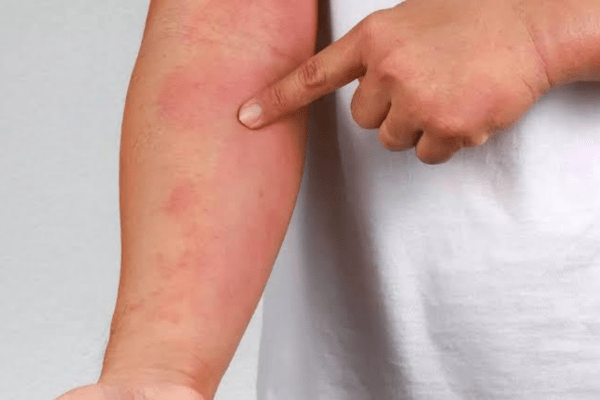
In dermatomyositis, a rash may appear before, with, or after the weakness. Depending on skin tone it can look red, purple or darker than the surrounding skin. It often shows up on the eyelids, knuckles, elbows, knees, upper chest and back. Some rashes itch, and many get worse in sunlight. A new rash together with muscle weakness is a good reason to see a doctor.
Muscle weakness is the main feature. It usually affects the large muscles closest to the centre of the body, such as the shoulders, upper arms, hips, thighs and neck, and it tends to appear on both sides. Ordinary tasks are often the first clue:
Muscle pain and tenderness are common but not universal. Some people have very little pain and mainly notice weakness. Muscle fatigue in myositis is different from ordinary tiredness: the muscles seem to give out early, and rest helps less than you would expect. Some people also feel generally unwell, with low energy, weight loss or a low-grade fever.
In dermatomyositis, a rash may appear before, with, or after the weakness. Depending on skin tone it can look red, purple or darker than the surrounding skin. It often shows up on the eyelids, knuckles, elbows, knees, upper chest and back. Some rashes itch, and many get worse in sunlight. A new rash together with muscle weakness is a good reason to see a doctor.
Myositis does not always stay in the muscles. Depending on the type, it can involve:
It can also occur together with other autoimmune conditions such as lupus, systemic sclerosis or Sjögren’s syndrome. This is one reason a rheumatologist looks at the whole picture instead of the muscles alone.
The type of myositis affects the tests needed, the treatment, and the outlook.
Dermatomyositis combines muscle weakness with a skin rash and can affect adults and children. Polymyositis causes symmetrical weakness without a rash. Many cases once labelled polymyositis are now recognised as other forms, which is one reason careful testing matters.
Immune-mediated necrotizing myopathy causes marked muscle damage, usually with very high muscle enzyme levels. Some cases are linked to antibodies known as anti-SRP or anti-HMGCR, and anti-HMGCR disease can be associated with statin use. Antisynthetase syndrome combines myositis with lung disease, joint pain, or both, and is recognised by a group of specific antibodies.
Inclusion body myositis mainly affects people over 50 and is more common in men. It weakens the thigh muscles, the muscles that bend the fingers and sometimes the swallowing muscles. It usually responds poorly to the immune-suppressing medicines used for other types, so a neurologist is often involved. Juvenile dermatomyositis is the childhood form.
The exact myositis causes are not fully understood. Researchers think that in autoimmune myositis a person who is genetically susceptible meets some kind of trigger, and the immune system then turns on muscle tissue. Recognised associations include other autoimmune diseases, certain viral infections, some medicines (rarely including cholesterol-lowering statins) and, in some adults, an underlying cancer. For most people, no single cause is ever found, and nothing they did or failed to do brought it on.
If you take regular medicines and develop new muscle symptoms, do not stop them on your own. Speak to your doctor first.
Not every case of muscle weakness or aching is myositis. Before settling on a diagnosis, doctors often need to rule out
medicine side effects, including muscle pain from statins
Each of these is treated differently, which is why an assessment matters before any treatment starts.
Most inflammatory muscle disease is autoimmune, and autoimmune conditions are what rheumatologists treat every day. A rheumatologist for myositis looks at the muscles, skin, joints, lungs and swallowing together, chooses and interprets the antibody tests, and decides how strong the treatment needs to be. Dermatomyositis, polymyositis and necrotizing myopathy are usually managed by a myositis rheumatologist, sometimes with a dermatologist, neurologist or chest physician alongside.
Many people begin with a general physician, an orthopaedic doctor or a neurologist, which is sensible because muscle weakness has many causes. If the picture points to an autoimmune cause, a rheumatologist for autoimmune diseases is the natural next step, and a rheumatologist for muscle disease can also review reports you already have. Finding a doctor for myositis can take some effort because the condition is uncommon, so do not delay if your symptoms fit.
Consider an appointment if muscle weakness has lasted more than a few weeks or is getting worse, or if it comes with a skin rash, difficulty swallowing or breathlessness. You do not have to wait for all of these to appear together.
Go to an emergency department, not a clinic, if you have severe difficulty breathing, cannot swallow without choking, or have severe muscle pain with dark brown or red urine. If your child has muscle weakness or a rash, please call the clinic first so the team can advise on the right appointment.
Myositis diagnosis rarely rests on one test. Because several other conditions mimic it, the doctor builds the picture step by step.
The consultation starts with your story: when the weakness began, which activities have become difficult, whether there is a rash, swallowing or breathing trouble, what medicines you take, and whether anyone in the family has an autoimmune disease. The doctor then tests muscle strength and examines the skin and joints.
Blood tests usually include creatine kinase (CK), an enzyme that leaks out of damaged muscle, and sometimes other muscle enzymes. CK is not always raised, especially in dermatomyositis, so a normal result does not rule myositis out. Antibody tests, including myositis-specific antibodies, help identify the type and show whether the lungs or other organs are at risk. Tests for thyroid function and other causes of weakness are often added.
Depending on what the doctor finds, further tests may include an MRI of the muscles, which can show inflamed areas and help choose where to take a biopsy. Electromyography (EMG) checks how muscles and nerves are working. A muscle biopsy is needed in some people. If there are breathing symptoms, chest imaging and lung function tests may be advised, and a swallowing assessment if eating has become difficult. In adults, especially with dermatomyositis, doctors may also check for an underlying cancer.
Not everyone needs every test. Your doctor will explain which ones are right for you and where they can be done. You can read about the clinic’s diagnostic services before your visit, and bringing earlier reports can save repeat testing.
The main myositis treatment options aim to calm the immune attack, restore and protect muscle strength, and limit damage to other organs, using the lowest doses that work.
Corticosteroids such as prednisone are usually the first treatment for most forms of autoimmune myositis. A second immune-suppressing medicine, such as methotrexate or azathioprine, is often added for longer-term control and to reduce the amount of steroid needed. In severe or stubborn disease, doctors may consider intravenous immunoglobulin (IVIG), mycophenolate, tacrolimus, cyclosporine or rituximab. Skin disease may need extra care, including strict sun protection. These medicines need regular blood tests and check-ups. Long-term steroids can affect bone strength, blood sugar and blood pressure, and immune-suppressing medicines lower your resistance to infection, so your doctor may monitor these and advise on vaccinations and which symptoms, such as fever, need prompt attention. Medicines should only be started, changed or stopped by your doctor.
Two people with the same diagnosis can need very different plans. The choice depends on the type of myositis, how severe it is, which organs are involved, your age, and other health conditions such as diabetes or infections. A person with mild dermatomyositis, someone with lung involvement, and someone with inclusion body myositis will each be managed differently. That is why the plan is reviewed and adjusted as your condition changes.
Once inflammation is under control, supervised exercise helps rebuild strength and stamina. The amount matters: too little leads to further weakness, and too much too soon can strain inflamed muscle. Guidance from a physiotherapist who understands the condition is safer than starting on your own. JCR lists physiotherapy among its services.
Everyday care also helps. Use sun protection if you have a rash, choose softer or pureed food if swallowing is difficult, keep to a balanced diet and a healthy weight, and let family and colleagues know that your weakness is real even when you look well.
Myositis is usually a long-term condition. Some people have one main episode that settles within a year or two. Others have persistent symptoms, or symptoms that flare and settle over time. Follow-up visits check strength, skin, breathing and swallowing, review blood tests, watch for medicine side effects, and adjust doses as things improve. If weakness returns or something new appears, tell your doctor early rather than waiting for the next scheduled visit.
Myositis has a lot of moving parts, and it is easy to leave a consultation with questions still unanswered. It helps to write a few down beforehand:
Which type of myositis do I most likely have, and what points to it?
Which tests do I need, what will they show, and how long will the results take?
What are my treatment options, and which side effects should I watch for?
How will we know the treatment is working?
What can I safely do at home, and which activities should I avoid for now?
Which symptoms mean I should call before my next visit?
JCR is a rheumatology clinic led by Dr. Manohar Joshi, a consultant rheumatologist, with consultations at two locations. His practice covers lupus, systemic sclerosis, Sjögren’s syndrome, vasculitis, ankylosing spondylitis and gout, and the clinic treats rheumatoid arthritis in Navi Mumbai as well. That range matters because myositis can overlap with other autoimmune conditions, and the joint pain that comes with it needs its own assessment. When myositis affects the lungs, skin or swallowing, the clinic works with other specialists as needed.
Patients looking for a myositis specialist doctor or myositis treatment in Navi Mumbai can be seen at either clinic. People travelling from Nerul, Belapur, Kharghar and nearby areas can choose whichever is easier to reach.
If you prefer a myositis specialist in Vashi, consultations are held at Office No. 34, 2nd Floor, Above Golden Punjab Hotel, Sector 17, Vashi, Navi Mumbai 400703, Monday to Saturday, 6:00 PM to 8:00 PM. The evening timing suits people who work during the day and want myositis treatment in Vashi without taking time off. Looking for the best arthritis clinic in Vashi? The clinic also treats arthritis and other joint and autoimmune conditions at this location.
Patients closer to Panvel can consult a myositis specialist in Panvel at Aditya Gurukrupa Society, Rupali Talkies Road, near Paramount Hospital, Mominpada, Old Panvel, Panvel, Navi Mumbai 410206, Monday to Saturday, 2:00 PM to 5:00 PM. For myositis treatment in Panvel, it is worth calling before you travel to confirm your slot. Looking for the best rheumatology clinic in Panvel? JCR sees patients with arthritis and autoimmune conditions at this location too.
The first visit is mostly a conversation and an examination. The doctor will ask about your symptoms and medicines, check your strength, skin and joints, and then explain which tests, if any, are needed. To make the visit count, bring any earlier blood tests, MRI or biopsy reports, the names of all medicines you take (including cholesterol medicines and supplements), and a few phone photos of any rash if it comes and goes. A short note on when the weakness began and which everyday tasks have become harder helps the doctor a great deal.
To book, call +91 9325344124.
Dermatomyositis, polymyositis and necrotizing myopathy are usually managed by a rheumatologist. A dermatologist may help with skin disease, and inclusion body myositis is often followed by a neurologist. If the lungs, heart or swallowing are affected, other specialists join in. Many patients search for a myositis doctor in Navi Mumbai for exactly this reason: they want one doctor to coordinate all of it.
In most cases, yes. In autoimmune myositis the immune system attacks muscle tissue. Rarely, muscle inflammation is caused by an infection, an injury or a medicine, and these are treated differently.
Myopathy is a broad term for muscle disease of any cause. Myositis is an inflammatory myopathy, meaning the muscle is inflamed, usually because of autoimmune disease. A strain is an injury that heals on its own. Myositis ossificans, where bone forms inside muscle after an injury, and myelitis, which affects the spinal cord, are different conditions.
Most often it is slowly increasing muscle weakness in the hips, thighs, shoulders or neck, sometimes with muscle pain or unusual muscle fatigue. Some people first notice a rash on the eyelids or knuckles, or trouble swallowing.
Through a history, a strength examination, blood tests including CK and myositis antibodies, and sometimes MRI, EMG or a muscle biopsy. No single test is enough by itself.
Myositis is usually a long-term condition and there is no guaranteed cure. Many people improve a great deal with treatment, and some reach a stage where the disease stays quiet for long periods. The response depends on the type of myositis and how early it is treated.
It varies. In general, muscle enzymes often improve within a few weeks of starting steroids and strength within a few months, but some forms respond more slowly, and inclusion body myositis often responds poorly. Your doctor will track your progress.
Yes. Some people develop interstitial lung disease, and weakness of the throat muscles can cause choking or coughing while eating. Tell your doctor about breathlessness, a persistent cough or swallowing trouble so these can be checked early.
Gentle, supervised exercise is generally part of care once inflammation is controlled. Avoid starting a strenuous programme on your own, especially while the muscles are still inflamed.
JCR holds consultations in Vashi (Monday to Saturday, 6:00 PM to 8:00 PM) and Panvel (Monday to Saturday, 2:00 PM to 5:00 PM). Call +91 9325344124 to book.


If muscle weakness, muscle pain or fatigue has been going on for weeks, an assessment by a rheumatologist can help find out why. Call +91 9325344124 or use the Contact Us page to book an appointment at Vashi or Panvel. You can also read what other patients have shared on the clinic’s patient reviews page.
Our clinic is dedicated to the diagnosis and treatment of musculoskeletal and autoimmune conditions, including Myositis. With years of experience and expertise in the field of rheumatology, our team is equipped to offer you the highest quality of care.
We understand that Myositis presents differently in each patient. That’s why we take a patient-centred approach to care, tailoring treatment plans to address your specific symptoms and needs. Your journey to managing Myositis effectively starts here.
We employ cutting-edge diagnostic tools and techniques to ensure an accurate diagnosis of Myositis and a comprehensive understanding of its impact on your health. Precise diagnosis is crucial to effective treatment.
Accurate diagnosis is the foundation of effective treatment. Our clinic offers comprehensive diagnostic evaluations to confirm Myositis and determine its type and severity, allowing us to develop the most suitable treatment plan for you.
Myositis can affect various organs and systems. We provide comprehensive care, collaborating with specialists when needed, to address the diverse aspects of the disease and ensure you receive the support you need.
Myositis requires individualized care. Our team creates personalized treatment plans that may include medication management, physical therapy, and other therapies aimed at managing symptoms, preserving muscle function, and improving your quality of life.
Discover the success stories of those who have found relief and improved quality of life at Joshi’s Clinic of Rheumatology. Read our patients’ testimonials to learn about their experiences and the positive impact our clinic has had on their lives.
Copyrights © 2025.Joshi’s Clinic of Rheumatology | Develop By GC Digital LLP